


.svg)


%20(1200%20x%20800%20px)%20(27).webp)
After years of working in physical security, I've witnessed firsthand how the industry has evolved, and where it still struggles. Traditional security operations often leave teams blind to critical events, buried under mountains of footage, logs, pages of notes, and racing against time to piece together what happened after it's already too late.
But here's what I've learned: it doesn't have to be this way.
Physical security has always been about protecting people, assets, and facilities. Yet the very tools designed to keep your business safe: video management, access control, and intrusion detection systems generate vast amounts of data that remain largely invisible to operators until something goes wrong. And by then it's often too late to prevent measurable impact.
Here's the real challenge: it's not about capturing events but about understanding them in real-time. Security teams are drowning in data but starved for insights. What they actually need is to see patterns, detect anomalies, and respond to threats before they escalate. This needs to happen immediately, not hours later when they're combing through footage during a forensic review.
This is where AI-powered platforms like Hakimo's open the eyes of physical security operations teams. By leveraging AI, we can finally validate what's been hidden in plain sight all along:
One of the most significant benefits I've seen?
How quickly security operations teams can realize tangible value. Traditional [on-prem] security systems require months of configuration, training, and fine-tuning.
AI-powered solutions? They compress this timeline dramatically.
We're talking days, not months, to:
This accelerated speed to value means security teams can focus on what matters most: enabling the business by protecting people and assets, not managing silo'ed, complex technology.
Having used Hakimo AI extensively over the past couple of years, I can confidently say that AI in physical security has improved dramatically and is a present-day necessity. The ability to make the invisible visible and deliver rapid value transforms security from a reactive cost center into a proactive, intelligence-driven, business-enabling operation.
If you're a security professional still relying on legacy systems, the question isn't whether to adopt a platform like Hakimo AI, it's how quickly you can implement it to stay ahead of evolving threats. AI tools like Hakimo sit on-top of your existing systems so it limits your capital investment to upgrade hardware at your global locations.
The invisible is becoming visible. And the future of physical security? It's already here.
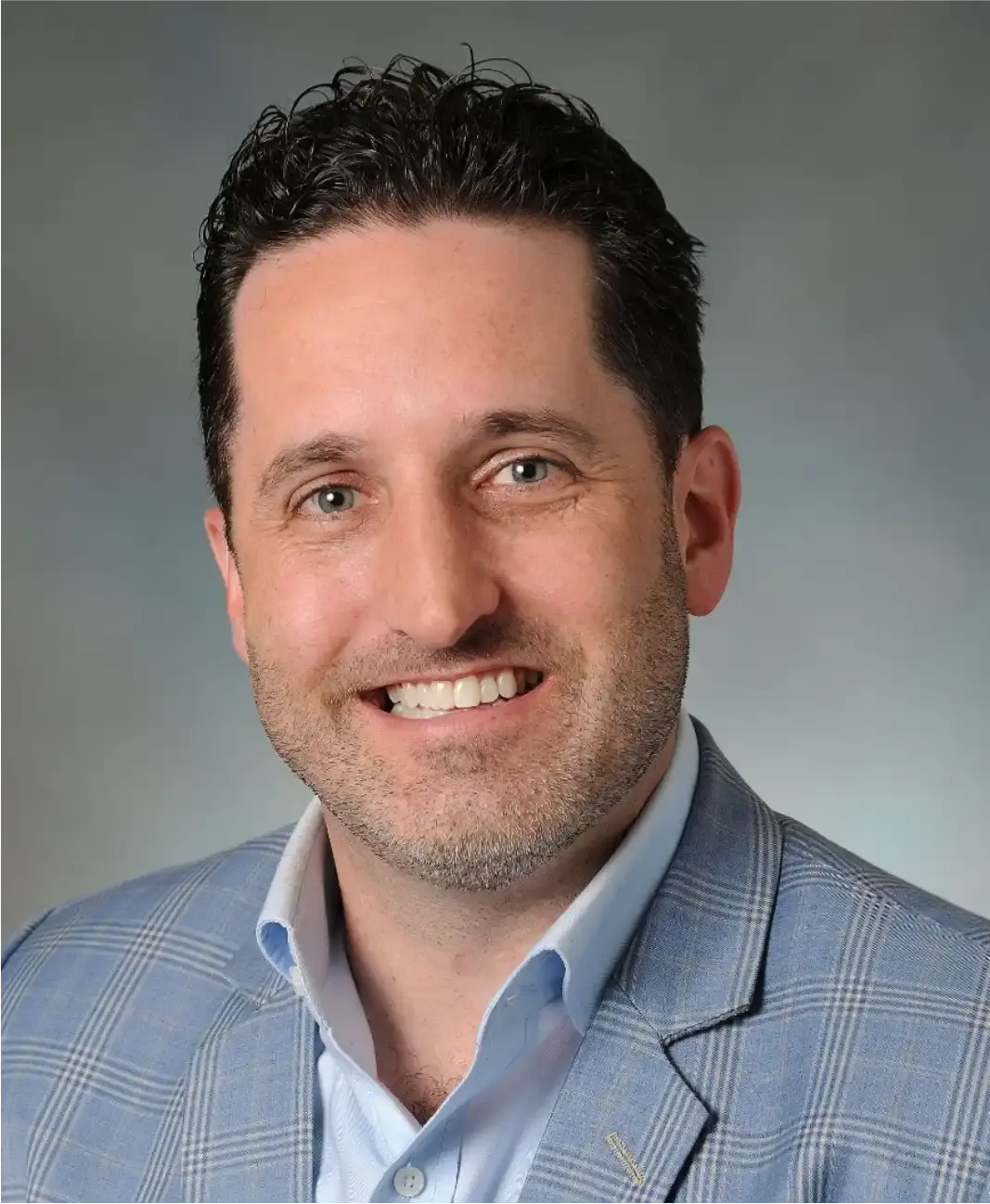
With an MS in Strategic Intelligence and electrical engineering foundation, Nathan Mills has led global security programs for over two decades, from the U.S. State Department's Bureau of Diplomatic Security to Director of Security Risk at General Electric, and most recently as Head of Global Security at Zoom. He leverages emerging technologies, including AI and advanced analytics, to build adaptive security systems that anticipate threats through intelligence driven insights. His approach is grounded in stewardship, integrity, and service, recognizing that every security decision ultimately protects people and enables business success. He lives in Richmond, Virginia with his wife and two sons (ages 9 and 10), who remind him daily what truly matters: the work of keeping people safe is worth doing well.
.png)
.png)



.svg)
.svg)





.png)

